


By: Shelly Green
A colleague forwarded an email to me recently about a guitar museum looking for “just one city” to become its permanent home: a ready-to-install cultural attraction with name recognition, visitor appeal, and economic upside.
It’s billed as a way to level up a community’s cultural story. It got me thinking about destinations that import culture versus growing their own.
There may be real value in opportunities like this. But communities tempted to chase a high-profile imported asset before asking whether it fits their long-term strategy, local culture, and investment priorities are skipping a step.
I’ve seen this pattern. While consulting for a DMO client a few years back, I learned they had invested large subsidies over three years in a nationally known festival to bring it to their destination. The promise was that this would put them on the map. And for those three years, it seemed to deliver. Residents loved it. Press coverage was flattering, and local leaders could point to a visible bump in visitation and hotel room nights.
But when the DMO eventually mentioned lowering the subsidy, the festival moved on leaving a gap in the calendar, frustrated homegrown festival producers who’d have liked similar support, and no lasting identity. The festival was never synonymous with their community the way South by Southwest is to Austin or Coachella is to the Coachella Valley in California.
Some destinations shop for culture instead of investing in something grown organically from their own community. Sometimes the pressure to do so comes from local boosters who don’t believe local talent can produce something truly great. Without conversation, this can crowd out homegrown creativity, distort funding priorities, and signal that what’s local isn’t good enough.
A destination master plan can change that conversation.
It helps a community decide who it is, how it wants to grow, what kinds of opportunities make sense, and what trade-offs are acceptable. When a new festival or attraction comes knocking, leaders aren’t responding in a vacuum or reacting to one person’s enthusiasm. They’re weighing the opportunity against a shared vision.
My hometown of Durham, North Carolina offers a great example. Discover Durham’s destination master plan set out a long-term vision for inclusive, values-based, responsible tourism development, balancing the needs of residents, businesses, local governments, and visitors. Through that process, the community recognized its own uniqueness and chose to grow their own rather than import it.
Out of that work came Durham NEXT, a community nonprofit under the DMO umbrella that pursues transformative, community-based projects a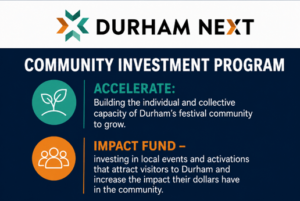 nd festivals – ideas that start in Durham, not in someone else’s slide deck.
Their Community Investment Program supports a few high-potential homegrown festivals with multi-year funding as well as matching grants for non-festival projects aligned with Durham’s vision.
Here’s what makes it pretty remarkable: the funding comes from occupancy tax revenue that had previously flowed to the city’s and county’s general funds. Elected leaders participated fully in the master planning process, ultimately recognizing that redirecting those dollars through the DMO was the right way to bring the vision to life.
That’s the difference between importing culture and curating it.
A permanent guitar museum might be exactly right for a destination with an authentic story it could anchor to, but no existing flagship attraction of its own. For a destination like that, importing isn’t a shortcut around identity — it’s a smart way to build on a story already there. The risk isn’t in saying yes to opportunities like this. It’s in saying yes before knowing whether they fit.
The next time an opportunity lands in front of your local leaders, I hope instead of asking whether they can afford it, someone asks, “Does this fit the community we’ve already agreed we want to build?” A master plan brings community leaders, elected officials, businesses and tourism interests to the table to figure this out together.
If this resonates, I’d love to hear your thoughts. Helping communities think through questions like these — before the next opportunity arrives — is work I find deeply meaningful.